

Legal issues can arise in many areas of life, from unexpected accidents and personal disputes to financial difficulties and family changes. Although some situations may seem straightforward at first, they can involve legal rights, responsibilities, deadlines, and procedures that are difficult to understand without guidance. Different areas of law address these circumstances by establishing rules, outlining available options, and providing processes for resolving disputes. Understanding the purpose of each legal practice area can help individuals recognize when a situation may require legal attention.
Knowing where a legal concern falls can be an important first step toward finding appropriate assistance. Legal guidance can help people understand relevant requirements, organize documentation, communicate with other parties, and determine what steps may be available. Exploring common types of law provides a clearer picture of how legal services can address different challenges and help individuals protect their interests.
Addressing Injuries After a Car Accident

Car accidents can result in physical injuries, property damage, medical expenses, and disruptions to everyday routines. Even collisions that initially appear minor can lead to symptoms that develop or become more noticeable over time. When an accident involves another driver’s negligence, injured individuals may have grounds to pursue compensation for certain losses. The circumstances of the collision, available evidence, and applicable state laws can all affect how a claim is handled.
A car accident injury attorney can help an injured person understand the legal options available after a collision. This may include reviewing accident reports, gathering medical records, examining photographs, and identifying witnesses who can provide information about what happened. These details can help establish how the accident occurred and whether another party may be legally responsible.
Legal representation may also involve communicating with insurance companies and reviewing settlement offers. Insurance adjusters may request statements or documentation as they evaluate a claim. Having guidance during these discussions can help individuals understand what information is relevant and whether an offer accounts for documented losses. Depending on the circumstances, recoverable damages may include medical expenses, lost income, and other accident-related costs. Each claim is different, and the available options depend on the evidence and applicable law.
Understanding Legal Options After an Accident
Accidents can happen in many settings, including workplaces, public spaces, commercial properties, and private residences. A person may be injured because of unsafe conditions, negligent actions, or another party’s failure to follow an applicable safety requirement. Determining whether someone else is legally responsible often requires examining how the incident occurred and what duties each party had.
An accident attorney can help evaluate the circumstances surrounding an injury and explain whether a legal claim may be appropriate. This process may involve reviewing incident reports, photographs, witness accounts, medical documentation, and other relevant records. The attorney may also identify the parties who could potentially be responsible, such as a property owner, business, employer, or individual.
Different accidents can involve different legal standards. For example, a slip-and-fall incident may raise questions about whether a property owner knew or should have known about a hazardous condition. A workplace injury may involve workers’ compensation rules or other employment-related requirements. Understanding which laws apply can help an injured person identify possible next steps.
There may also be deadlines for reporting an incident, filing an insurance claim, or bringing a lawsuit. These time limits vary depending on the type of claim and jurisdiction. Legal guidance can help individuals understand applicable deadlines and avoid overlooking procedural requirements while they focus on addressing their injuries.
Seeking Compensation for Personal Injuries
Personal injury law addresses situations in which someone suffers harm because of another party’s negligent or wrongful conduct. These cases can involve vehicle collisions, unsafe properties, defective products, and other incidents. The purpose of a personal injury claim is generally to seek financial compensation for losses connected to the injury, when the legal requirements for recovery are met.
A personal injury attorney can assess the facts of an incident and explain whether the injured person may have a valid claim. Establishing liability often requires demonstrating that another party had a legal duty, failed to meet that duty, and caused harm as a result. Medical records, expert evaluations, photographs, witness statements, and other evidence may help support these elements.
Compensation may account for several types of losses. Economic damages can include medical bills, rehabilitation expenses, lost wages, and certain future costs related to an injury. Non-economic damages may address effects such as physical pain, emotional distress, and reduced quality of life. The types of damages available depend on the circumstances and applicable state law.
Legal assistance can also help with settlement negotiations and, when necessary, litigation. An attorney may review the available evidence, calculate documented losses, and communicate with insurers or opposing counsel. Because settlement agreements can affect a person’s ability to pursue additional compensation, understanding the terms before accepting an offer is important. A careful review can help injured individuals make informed decisions about their options.
Protecting the Rights of Injured Motorcyclists

Motorcycle accidents can create serious safety concerns because riders have less physical protection than occupants of passenger vehicles. A collision may result in fractures, head injuries, road rash, spinal injuries, or other significant harm. Even when a motorcyclist follows traffic laws, another driver’s failure to notice a motorcycle or yield appropriately can contribute to a crash.
A motorcycle accident attorney can help an injured rider examine the circumstances of a collision and determine whether another party may be responsible. Evidence may include police reports, traffic camera footage, photographs of the vehicles and roadway, witness statements, and medical records. In some cases, accident reconstruction specialists may help explain how the collision occurred.
Motorcyclists may also encounter assumptions about rider behavior when dealing with insurance companies or other parties. A thorough review of the evidence can help distinguish assumptions from the actual facts of the incident. Liability may depend on factors such as right-of-way, speed, visibility, road conditions, and the actions of everyone involved.
Compensation in a motorcycle accident claim may include medical treatment, lost income, rehabilitation, and other losses permitted by law. Serious injuries can also require ongoing care or affect a person’s ability to work. Documenting these effects can be important when evaluating a claim. Legal guidance can help riders understand how comparative fault rules, insurance requirements, and filing deadlines may affect their ability to seek compensation.
Addressing Abuse and Protecting Victims
Domestic violence can involve physical harm, threats, intimidation, stalking, harassment, or other forms of abusive behavior. These situations can affect a person’s safety, housing, finances, and family relationships. Laws addressing domestic violence vary by jurisdiction, but they may provide protections for individuals who are experiencing abuse or threats from a current or former partner, family member, or household member.
Domestic violence attorneys can explain legal protections that may be available and help individuals understand the procedures for requesting them. Depending on state law and the circumstances, a person may be able to seek a protective order that restricts an alleged abuser’s contact or requires them to stay away from certain locations. Courts may also address temporary arrangements involving housing, children, or other immediate concerns.
Legal assistance may include preparing court documents, organizing relevant records, and explaining what to expect during hearings. Evidence can include messages, photographs, medical records, police reports, and witness statements. The specific information needed depends on the type of proceeding and the court’s requirements.
Domestic violence matters can also overlap with criminal cases and family law disputes. For example, an incident may result in criminal charges while also affecting child custody or divorce proceedings. Understanding how these processes differ can help individuals make informed decisions about their legal options. Anyone facing immediate danger should contact emergency services or a local crisis resource for assistance with safety concerns.
Defending Individuals Facing Criminal Charges
Criminal law addresses conduct that the government identifies as an offense under applicable statutes. Criminal charges can range from misdemeanors to serious felonies, and potential consequences may include fines, probation, incarceration, and other court-imposed penalties. The specific consequences depend on the alleged offense, the evidence, prior history, and governing law.
A criminal defense law firm can help individuals understand the charges against them and the legal process that follows. This may include reviewing the allegations, examining police reports, evaluating witness statements, and identifying questions about how evidence was obtained. Defense counsel can also explain constitutional protections, court procedures, and the possible consequences associated with different case outcomes.
The prosecution generally has the burden of proving the charges beyond a reasonable doubt. A defense attorney may challenge the reliability or admissibility of evidence, question witness credibility, or present information that supports the client’s position. Depending on the case, the attorney may also negotiate with prosecutors or prepare for trial.
People facing criminal accusations should understand that an arrest or charge does not automatically establish guilt. They have legal rights throughout the process, including the right to remain silent and the right to legal representation. Speaking with an attorney can help individuals understand how to protect those rights and respond appropriately to court requirements. The best approach depends on the specific allegations and available evidence.
Supporting Same-Sex Couples Through Immigration Matters

Immigration law establishes requirements for entering, remaining in, and obtaining legal status in the United States. These matters can involve family-based petitions, employment-related applications, permanent residency, naturalization, and other immigration processes. For same-sex couples, federal recognition of legally valid same-sex marriages provides access to marriage-based immigration options under the same general framework that applies to different-sex married couples.
A same sex immigration attorney can help couples understand how marriage may affect an immigration application and what documentation may be required. Depending on the circumstances, a U.S. citizen or lawful permanent resident may be able to petition for a qualifying spouse. The process can involve submitting forms, providing proof of the qualifying relationship, attending interviews, and responding to requests from immigration authorities.
Couples may need to gather documents such as marriage certificates, identification records, financial information, and evidence of a shared life. Applicants must also meet applicable immigration requirements, which can include admissibility standards and other eligibility criteria. A prior immigration history, previous visa denial, or criminal record may create additional questions that require careful review.
Immigration procedures can be time-consuming, and incomplete or inconsistent applications may cause delays or other complications. Legal guidance can help couples understand the relevant requirements, prepare supporting documentation, and respond to government requests. Because immigration rules and individual circumstances vary, advice based on the specific application can be particularly important.
Accessing Supplemental Security Income Benefits
Supplemental Security Income, commonly called SSI, is a federal benefit program administered by the Social Security Administration. It provides payments to eligible individuals who are aged 65 or older, blind, or disabled and have limited income and resources. Unlike Social Security retirement or disability insurance benefits, SSI eligibility is not based on a person’s work history. Applicants must meet specific financial and nonfinancial requirements.
An ssi lawyer can help individuals understand eligibility rules and prepare an application. The process may require medical records, treatment histories, financial documents, and other information demonstrating that the applicant meets the program’s standards. For disability-based applications, medical evidence must help establish the nature and severity of the condition and its effect on the person’s ability to function.
Some applications are denied because required documentation is missing, information is incomplete, or the Social Security Administration determines that the eligibility standards have not been met. Applicants generally have the right to appeal certain unfavorable decisions within established time limits. The appeals process may involve reconsideration, a hearing before an administrative law judge, and additional review.
Legal assistance can help applicants organize records, understand agency notices, and prepare for hearings. An attorney may also identify issues involving income, resources, living arrangements, or medical evidence that could affect eligibility. Since SSI has detailed financial and disability requirements, understanding the rules can help individuals address application problems and pursue benefits when they qualify.
Protecting Students Facing School Disciplinary Action
Schools have policies and procedures intended to maintain safe and orderly learning environments. When students are accused of violating school rules, disciplinary consequences may include detention, suspension, expulsion, or other restrictions. The process and protections available depend on the student’s age, the type of school, the alleged conduct, and applicable state and federal laws.
A school discipline rights attorney can help students and families understand the rules governing a disciplinary matter. Public schools generally must follow applicable constitutional and statutory requirements when imposing certain forms of discipline. Depending on the circumstances, students may have rights to notice of the allegations and an opportunity to respond before specific disciplinary decisions are made.
Some cases involve additional legal considerations. Students with disabilities may have protections under federal laws such as the Individuals with Disabilities Education Act or Section 504 of the Rehabilitation Act. These laws can affect how schools address certain behavior and determine appropriate educational services. Disciplinary actions involving disability-related concerns may require additional review and procedural protections.
Legal guidance can help families examine school policies, review disciplinary records, prepare for meetings, and understand available appeal procedures. It may also help clarify whether the school followed required steps or considered relevant circumstances. Addressing concerns promptly can be important because disciplinary decisions may affect a student’s educational access, academic progress, and future opportunities.
Resolving Family Matters and Legal Disputes
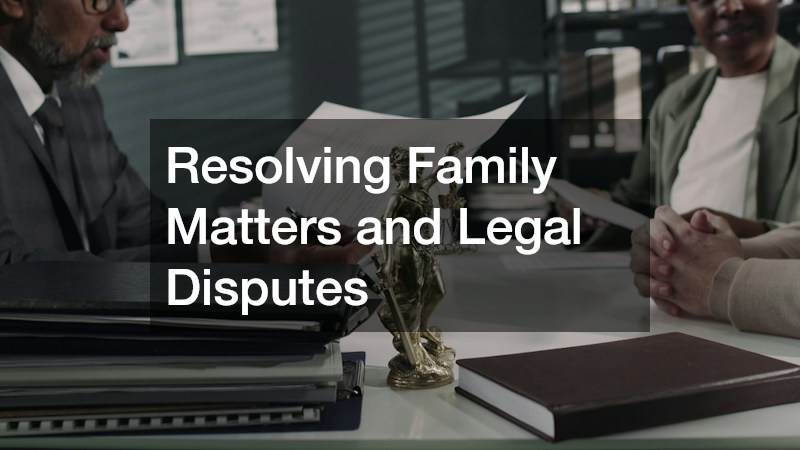
Family law addresses legal relationships and responsibilities involving spouses, parents, children, and other family members. Common matters include divorce, child custody, child support, spousal support, adoption, and legal separation. These situations can involve personal and financial concerns, making it important for individuals to understand their rights and the legal procedures that may apply.
A family lawyer can help clients evaluate their options and understand the requirements associated with a particular matter. In divorce proceedings, for example, the legal process may involve dividing marital property, addressing shared debts, and determining whether spousal support is appropriate. State laws generally establish the standards courts use when making these decisions.
Cases involving children often require additional consideration. Courts typically evaluate custody and parenting arrangements based on the child’s best interests, taking relevant circumstances into account. These may include each parent’s ability to provide care, the child’s needs, existing routines, and other factors recognized by state law. Child support calculations may also depend on income, parenting time, and applicable guidelines.
Not every family dispute requires a contested court proceeding. In some situations, negotiation or mediation can help family members reach agreements about parenting schedules, financial responsibilities, or other concerns. Legal representation can help individuals understand proposed agreements and consider how different decisions may affect them over time. When court involvement is necessary, an attorney can explain filing requirements, prepare documentation, and represent a client’s interests during proceedings.
Different areas of law provide ways to address the challenges people may encounter throughout their lives. Accidents can raise questions about liability and compensation, while criminal accusations involve legal protections and court procedures. Other matters may concern family relationships, immigration status, public benefits, student rights, or personal safety. Although these practice areas differ, each involves specific laws and processes that determine what options may be available.
When facing a legal concern, it is helpful to ask questions, gather relevant records, and learn which laws apply. An attorney familiar with the appropriate practice area can explain the available options and discuss possible next steps based on the facts. While no legal outcome can be guaranteed, informed guidance can help individuals approach difficult situations with a better understanding of their rights and responsibilities.